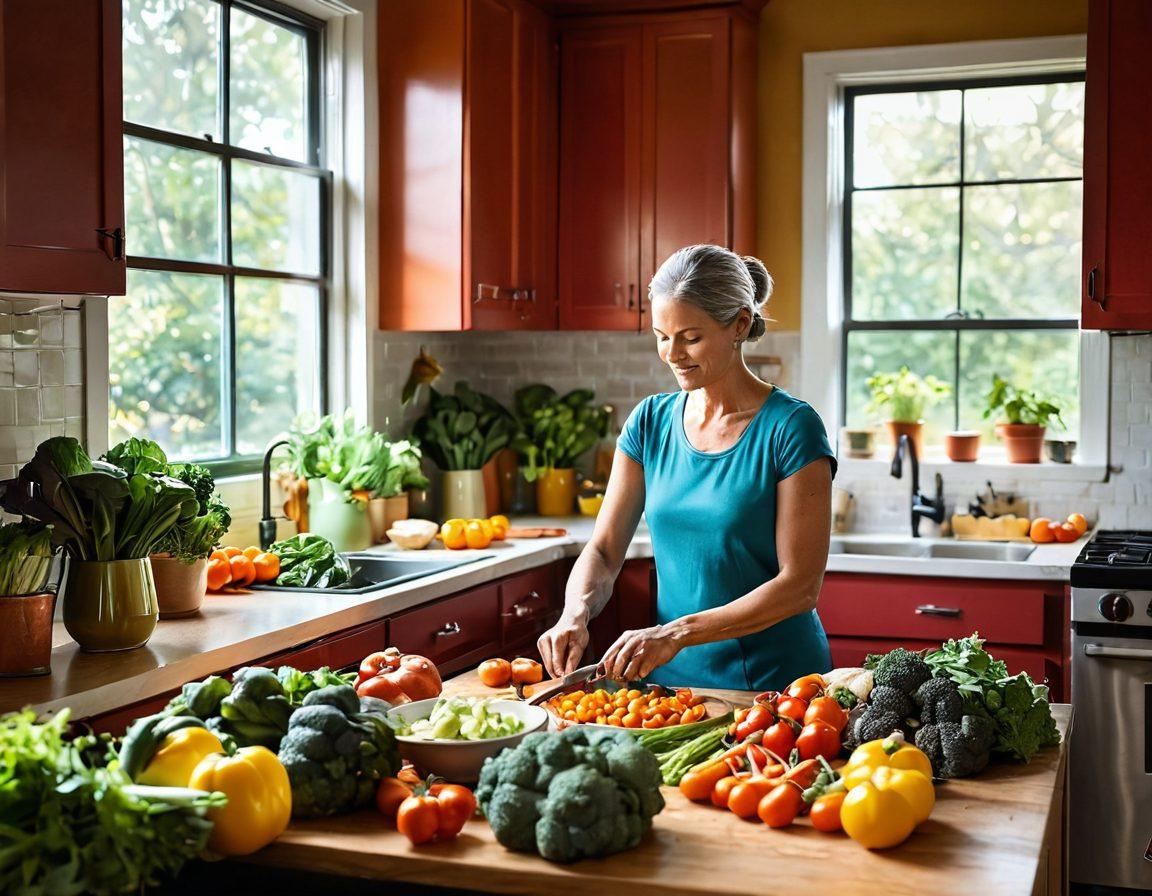
Empowering Survivorship: The Role of Nutrition and Holistic Wellness in Cancer Treatment
Imagine walking a tightrope, balancing your physical health, emotional resilience, and the tight schedule of clinical trials! For many cancer patients, this is the reality they face daily. But what if I told you that nourishing the body through proper nutrition can significantly reinforce cancer treatment and even impact survivorship? In the fight against malignancy, integrating nutrition alongside traditional therapies has emerged as a powerful tool in the oncology arsenal. Let’s explore how the choices we make at the dinner table can pave the way for a brighter tomorrow in cancer survivorship.
Nutrition is more than just a way to fill our stomachs; it is the foundation upon which our health stands. During cancer treatment, the body often experiences a cocktail of symptoms ranging from fatigue to weight loss. This is where cancer awareness and health education play a vital role. It is essential for patients to understand not only the types of food they consume but also how these foods can interact with their treatment — whether that's through immunotherapy or chemotherapy. As Rachael Roberts, a renowned nutritionist, puts it, "Food is not just fuel, it’s information. It talks to your DNA and tells it what to do." So, what are you feeding your body?
One of the most fascinating aspects of nutrition in the context of cancer treatment is the role of specific food choices in enhancing the body’s response to therapy. For example, foods rich in antioxidants, such as berries and green leafy vegetables, have been shown to provide patient support by reducing inflammation and oxidative stress — two key players in tumor progression. Here lies the crux: Not only does nutrition play a supporting role, but it also acts as a form of prevention. By educating patients on the benefits of wholesome eating, we can empower them to take charge of their health. Have you ever considered how the plate of food in front of you could influence your journey?
In the maze of cancer treatment, joining support groups can be incredibly beneficial. Many patients share their triumphs and tribulations regarding nutrition and how it has influenced their treatment and overall well-being. The power of connection and shared experiences can demystify the overwhelming process of cancer research and patient advocacy. Talking about the integration of holistic wellness practices, patients discover that hydration, balanced meals, and psychological well-being are interconnected. What if the secret to better health lies in a conversation with someone who has walked your path?
As we conclude this exploration of nutrition’s pivotal role in cancer survivorship, let’s remember that nourishment goes beyond calories. It encompasses an entire lifestyle that can uplift, energize, and enable healing. The road to recovery can be long and winding; however, understanding the impact of integrative health practices allows patients to navigate this challenging terrain with confidence. So, let’s take actionable steps together: find a nutritionist who specializes in oncology, become active in patient support groups, and make informed food choices that align with health goals. You hold the key to your health—what will you do with it?
Holistic Healing: Integrating Wellness Practices for Optimal Recovery in Oncology
In the journey through oncology, a diagnosis of cancer can turn life as we know it upside down. Suddenly, the everyday hazards of life seem trivial compared to the looming shadows of malignancy, treatment protocols, and the weight of uncertainty. Among the many emotions that arise, a sense of helplessness can often take hold. However, there exists a powerful beacon of hope—holistic healing. By integrating wellness practices with medical intervention, patients can enhance their recovery experience, embracing not just survival, but a thriving life. Have you ever wondered how simple choices in nutrition and well-being could support your healing journey?
Imagine attending a support group where stories of resilience are shared, alongside tips on the importance of nutrition in cancer treatment. This is where patient advocacy shines, as individuals find strength in community while learning about the role of integrative health in survivorship. Research indicates that a well-balanced diet can greatly influence recovery outcomes. It’s not just about combating the symptoms associated with cancer treatment—proper nutrition has been shown to enhance the effectiveness of therapies like immunotherapy, creating a synergy between medical treatment and holistic wellness. Isn’t it fascinating how food can become medicine?
When considering the patient information that emerges from clinical trials, it becomes clear that holistic wellness is a key player in the realm of cancer research. Techniques such as yoga, meditation, and mindful eating can significantly improve overall well-being during treatment. They have the potential to reduce stress, improve mood, and alleviate not only physical symptoms but also emotional hurdles. So, what practices can we incorporate today to lay the groundwork for a healthier tomorrow? What if engaging in mindful practices could help mitigate treatment side effects?
Additionally, nutrition serves as a cornerstone of holistic healing in oncology. Patient education plays a pivotal role here—understanding the right nutrients can empower individuals to make informed choices about their diet. For instance, foods rich in antioxidants may help reduce oxidative stress caused by tumors, while incorporating healthy fats and proteins can support a robust immune system. The journey doesn’t have to feel isolating; connecting with others facing similar challenges in support groups can create a sense of belonging and understanding. How has food impacted your life or that of someone you know?
Lastly, as we harness the significance of holistic wellness, let’s remember that the journey to recovery is deeply personal. Empowering ourselves with knowledge about nutrition and wellness isn't merely about survival—it's about living fully. We're not just statistics; each individual has a narrative intertwined with their experience of cancer treatment. Embrace the journey, ask questions, and access health education resources within your community. Cancer awareness is not solely the burden of the individual; it is a social responsibility we all share. Together, as advocates and supporters, we can foster a culture that elevates patient care, ensuring that every patient's journey is rich in nutrition, well-being, and hope for the future.
Empowering Patients: The Impact of Nutrition and Support on Cancer Survivorship Journey
Navigating the journey of cancer survivorship is often filled with twists and turns, much like a winding road with unforeseen bumps and breathtaking vistas. For those who have faced the daunting specter of malignancy, every step taken post-diagnosis can significantly influence their overall well-being. At the heart of this journey lies the powerful duo of nutrition and holistic wellness, which not only supports the physical body but also nourishes the spirit. How can the right choices transform a life interrupted by oncological challenges into one of empowerment?
Nutrition plays a pivotal role in the survivorship journey. According to recent cancer research, a balanced diet rich in whole foods can help manage symptoms, curb the risk of recurrence, and augment the effectiveness of cancer treatment regimens such as immunotherapy. Patients often wonder: What are the best foods to include? The answer is simple yet profound—think vibrant fruits and vegetables, whole grains, lean proteins, and healthy fats. By focusing on these nutrient-dense food options, survivors can bolster their defenses and foster resilience in the face of future challenges. It's empowering to realize that our plates serve not only as a source of sustenance but as a cornerstone of our health advocacy.
Moreover, community support plays an indispensable role in the cancer survivorship experience. Support groups offer more than just a safe space to share experiences; they provide a platform for education and empowerment through shared knowledge and emotional camaraderie. The phrase, "We are stronger together" resonates deeply in these settings. Personal stories of triumph, resilience, and even vulnerability fill the air, creating an atmosphere rich with encouragement. The incorporation of patient support networks can significantly enhance the journey, providing resources for health education, nutrition tips, and reminders that no one has to walk this path alone.
In the realm of cancer treatment, ongoing education about holistic wellness can reshape a survivor's outlook on life. Integrative health approaches, which combine traditional oncology with alternative modalities—like yoga, meditation, and acupuncture—can cultivate a strong sense of well-being. Survivors often ask: How can I better care for myself? The answer lies in understanding that self-care is a vital part of recovery. When patients take charge of their health, setting new goals and exploring new horizons, they pave the way for a future marked by proactive choices and prevention strategies. As individuals build their knowledge, they not only empower themselves but also inspire others on a similar journey.
As we delve deeper into the subject, it’s essential to highlight the significance of patient information being readily available, emphasizing the importance of clear communication and access to clinical trials or new treatment paths. Being informed can change the narrative of survivorship dramatically. Did you know that the choices people make in their recovery can impact not just their physical health, but their mental and emotional landscapes as well? With proper education, cancer survivors can reclaim their lives, embracing not just survival but thriving in each passing day. This right balance of nutrition, support, and holistic wellness stands as a beacon of hope that guides individuals toward an empowered, vibrant life beyond cancer.